How to Boost Recycling in Your Baking and Food Production
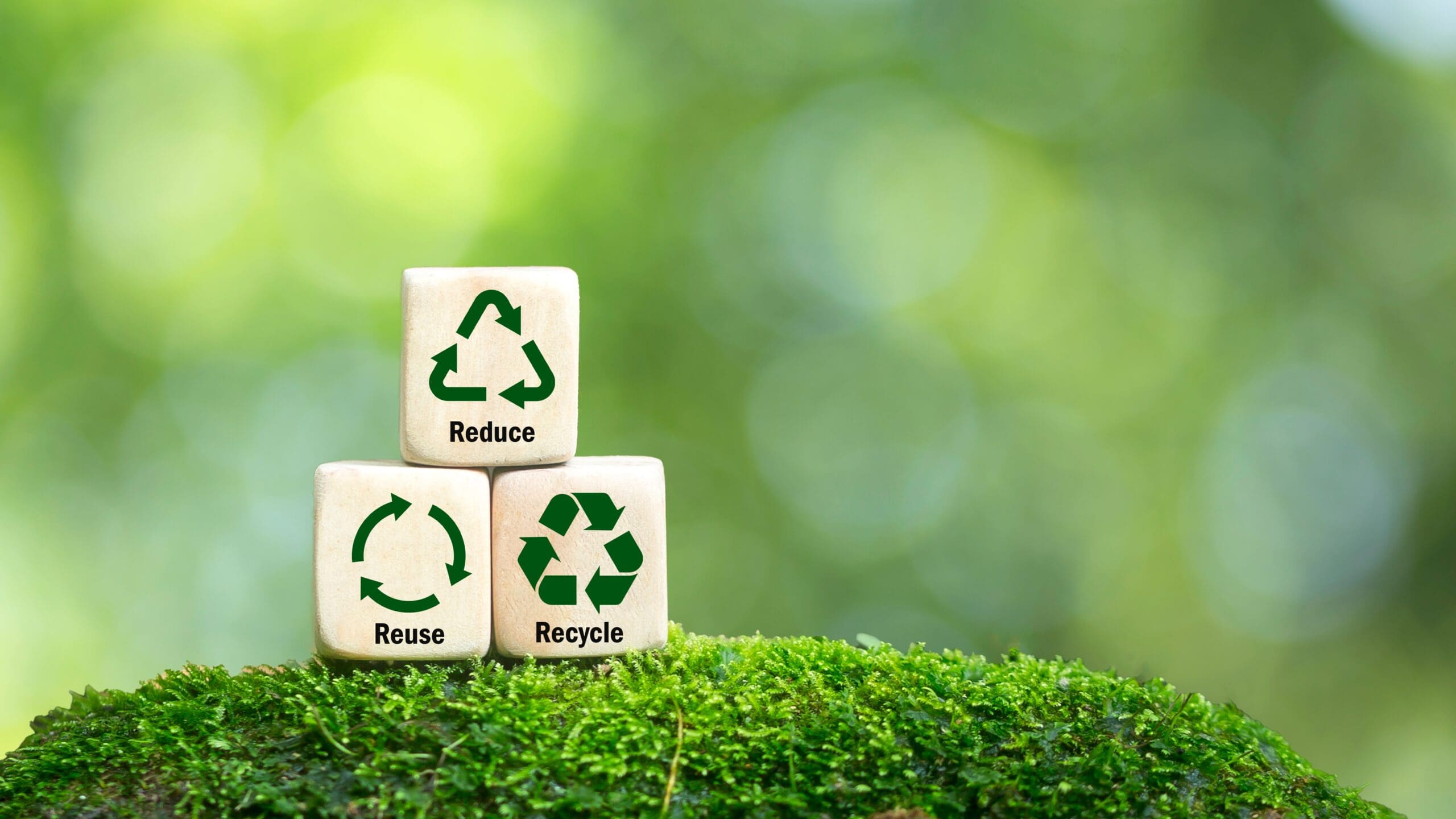
Recycling plays an important role in sustainable working practices. This is especially true in baking, food retail, and food production. By improving recycling processes, businesses can reduce waste, lower environmental impact, and control costs more effectively.
This article outlines practical steps to help strengthen recycling efforts across the sector.
Review Current Recycling Practices
Begin by reviewing how waste is managed on site. Identify the materials used each day and the types of waste produced. Check which items are already recycled and where gaps may exist.
In food production, common recyclable materials include cardboard, plastic containers, metal cans, and glass. Understanding what is being missed is the first step towards improvement.
Educate and Engage Your Team
Staff awareness is critical to successful recycling. Clear guidance helps employees understand what can be recycled and how waste should be sorted. Short training sessions or brief team updates can be effective.
Visual prompts also help reinforce good habits. Simple posters near bins and work areas can remind staff of correct disposal methods and support consistent behaviour.
Install Clear Recycling Stations
Recycling is easier when clearly labelled bins are available wherever waste is generated, including production areas, kitchens and staff facilities.
In England, workplaces covered by the Simpler Recycling regulations must separate food waste, dry recyclable materials and non-recyclable waste before collection. Businesses should follow their waste contractor’s instructions for separating materials such as paper, cardboard, plastic, metal and glass. Micro-businesses with fewer than 10 full-time equivalent employees have until 31 March 2027 to comply with these requirements.
Colour-coded bins and clear signage improve participation. When sorting waste is simple, people are more likely to do it correctly.
Work with Local Recycling Services
Local recycling providers can offer valuable support. Find out which materials they accept and how they prefer them to be prepared. This helps ensure waste is processed properly.
Some providers also offer guidance or training materials. These resources can help improve recycling performance across your operation.
Reduce Single-Use Items
Where possible, limit the use of single-use items. Reusable containers, trays, and utensils can often replace disposable options. This reduces waste and can lower ongoing costs.
Small changes in daily processes can deliver long-term benefits when applied consistently.
Manage Organic Waste Responsibly
Bakeries and food manufacturers can generate food waste, including fruit and vegetable trimmings, surplus ingredients and bread offcuts. Separating this waste from general rubbish allows it to be collected for appropriate treatment, helping reduce the amount sent to landfill or incineration.
Depending on the materials involved and available facilities, food waste may be processed through anaerobic digestion or composting. Anaerobic digestion can produce renewable energy, while composting produces material that can improve soil quality.
Businesses should discuss suitable collection and treatment arrangements with their waste contractor. Any on-site composting must comply with relevant environmental and animal by-product requirements.
Monitor and Improve
Recycling efforts should be reviewed regularly. Track the amount of waste produced and how much is recycled. This data helps identify areas for improvement.
Adjust processes based on results. Continuous review supports steady progress and long-term success.
Conclusion
Improving recycling practices can help bakeries and food manufacturers manage waste more effectively. Clear waste separation procedures, staff training and cooperation with appropriate waste contractors can all contribute to better waste management.
Regularly reviewing the quantities and types of waste produced allows businesses to identify areas for improvement and assess the effectiveness of changes made. By taking a practical, consistent approach, bakeries can work towards reducing unnecessary waste while considering operational costs and their environmental responsibilities.

If you like what you hear, why not give our paper a try? Contact us to request a FREE sample ream for your baking business.
For more information about our company, visit the Linwood Raker website