Great baking is about more than following a recipe. The equipment you use, the way ingredients are handled, how products are arranged in the oven and even the surface you bake on can all influence the finished result.
Whether you’re making a batch of biscuits at home, preparing fresh pastries or producing baked goods for customers, small improvements to your baking routine can make a noticeable difference.
Here are ten practical baking tips from Food Paper to help you achieve consistent results, improve presentation and reduce unnecessary waste.
1. Choose the Right Baking Tray or Tin
The equipment you choose has a direct influence on how your baked goods turn out.
A shallow baking tray is ideal for biscuits, cookies and many pastries, while deeper tins are better suited to cakes, traybakes and other products that need support as they rise.
The material and finish of the tray also matter. Darker metal surfaces can absorb more heat, potentially causing the edges and undersides of baked goods to brown more quickly.
When trying a new recipe, use the recommended tin size wherever possible. Changing the dimensions can alter the depth of the mixture and affect the baking time.
2. Use Quality Baking Paper for a Cleaner Finish
One of the simplest ways to improve baking results is to prepare your trays and tins properly.
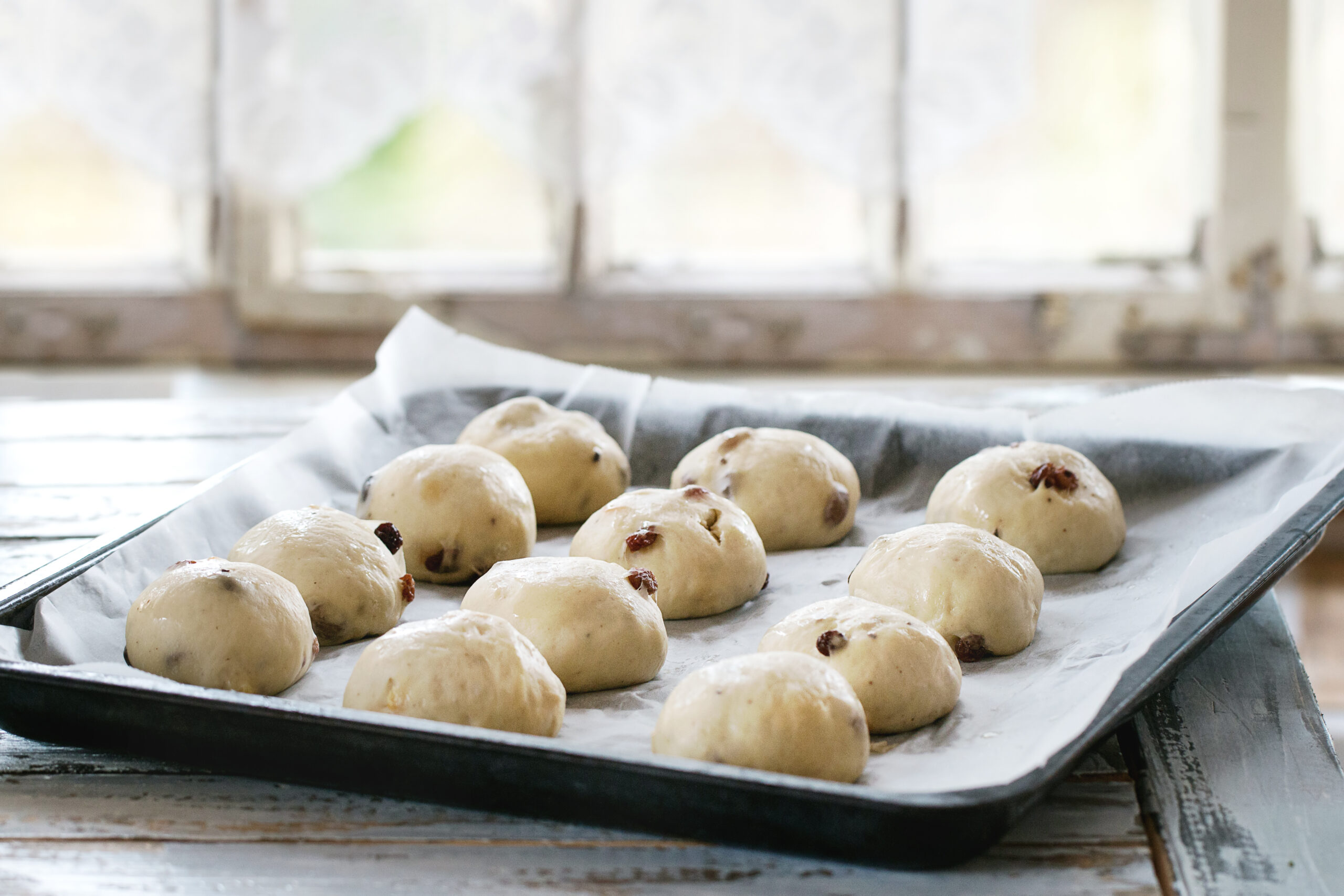
Good-quality, non-stick baking paper creates a barrier between the food and the baking surface, helping products release cleanly after cooking.
This is particularly useful when working with delicate pastries, biscuits, meringues and other products that might otherwise stick or break when removed.
Silicone-coated baking paper can also reduce the need for additional greasing, helping to keep trays cleaner and reducing preparation time.
However, not all food-contact papers are designed for oven use. Always choose a suitable baking grade and follow the manufacturer’s recommended temperature limits.
3. Keep Your Portions Consistent
Have you ever baked a tray of biscuits and found that some were perfectly cooked while others were still underdone?
Uneven portion sizes are often responsible.
When baked products vary significantly in thickness or weight, they cook at different rates. Smaller pieces may become dry or overly browned before larger ones are fully baked.
For biscuits, rolls and individual pastries, aim to keep portions as consistent as possible.
A portioning scoop, dough divider or kitchen scale can be particularly helpful when preparing larger batches.
Consistent sizing also improves the appearance of the finished products, something especially valuable for professional bakeries and food businesses.
4. Allow Enough Space Between Products
It can be tempting to fit as much as possible onto a single baking tray, particularly when preparing a large batch.
However, overcrowding can lead to uneven baking.
Some products spread during cooking, while others expand as the dough rises. Without sufficient space, neighbouring items may join together or develop an uneven shape.
Air circulation is another consideration. Allowing space around individual products helps the oven’s heat reach them more evenly.
When preparing biscuits, pastries or bread rolls, take account of how much the products are likely to expand.
Using an additional tray may produce better results than trying to squeeze everything onto one.
5. Understand How Much Mixing Is Required
Different types of baked goods require different mixing techniques.
Bread dough generally needs sufficient mixing or kneading to develop the gluten structure that helps it hold its shape and rise.
Cakes and muffins, on the other hand, often require a gentler approach once the flour has been incorporated.
Excessive mixing can develop too much gluten in these mixtures, producing a firmer or tougher texture than intended.
The key is to understand what the recipe is trying to achieve.
A light sponge, a chewy bread roll and a crisp biscuit all require different textures, so the mixing method should reflect the finished product.
6. Give Dough and Pastry Time to Rest
Resting is an important part of many baking processes, yet it can easily be overlooked.
When dough is worked, stretched or shaped, its gluten structure may become tight and resistant to further handling.
Allowing an appropriate resting period can make the dough easier to shape and reduce unwanted shrinkage.
This is particularly useful when preparing pastry, where excessive stretching can cause the finished product to pull away from the sides of the tin during baking.
Bread dough also benefits from carefully managed resting and fermentation stages, which influence its structure and flavour.
Follow the resting conditions specified in your recipe, including refrigeration where required.
7. Position Your Trays Carefully in the Oven
Where you place a baking tray can affect how evenly its contents cook.
Most ovens have areas that are slightly hotter or cooler than others. The position of heating elements, fans and shelves can all influence heat distribution.
For many everyday bakes, positioning a single tray around the middle of the oven provides a useful starting point, although the recipe and oven manufacturer’s guidance should take priority.
When baking several trays at once, avoid blocking airflow and allow sufficient room for heat to circulate.
If you regularly produce the same products, pay attention to how they brown in different positions.
Understanding your oven’s behaviour can help improve consistency from one batch to the next.
8. Learn to Recognise When a Bake Is Ready
A timer is an important baking tool, but it shouldn’t be the only indication that something is ready.
Ovens vary, as do ingredients, tin sizes and the thickness of individual products.
A sponge cake might be ready when its surface springs back gently and a skewer inserted into the centre comes out without wet batter.
Biscuits may need to develop lightly golden edges, while bread can require a well-developed crust and properly baked interior.
The appropriate checks depend on the product being prepared.
Treat the time stated in a recipe as a guide, then use the recommended visual or physical checks to establish when baking is complete.
9. Handle and Cool Baked Goods Properly
The baking process doesn’t end the moment a tray comes out of the oven.
Freshly baked products can be delicate, particularly cakes, biscuits and pastries that have not yet developed their final structure.
Some benefit from resting briefly in their tins or on their trays before being transferred to a cooling rack.
A wire rack allows air to circulate around the product, helping excess moisture escape and reducing condensation underneath.
This can be especially important when a crisp base or crust is required.
Before packaging baked goods, allow them to cool sufficiently for the intended product and packaging method.
Packing products while excessively warm can trap moisture and affect their texture, freshness and presentation.
10. Make Every Batch an Opportunity to Improve
Consistent baking comes from understanding what works and repeating it.
If you regularly prepare the same products, it can be helpful to keep a simple record of your results.
Useful details might include the baking temperature, shelf position, portion size, time in the oven and any adjustments made during preparation.
For commercial bakeries, even small improvements can become significant when repeated across hundreds or thousands of products.
Reducing sticking, improving product consistency and keeping preparation areas cleaner can all contribute to a more efficient operation.
The goal is not simply to produce one excellent batch, but to establish a reliable process that delivers the same quality time after time.
Better Baking Starts with the Right Preparation
Successful baking depends on a combination of good ingredients, suitable equipment, practical techniques and careful attention to detail.
From preparing baking trays to cooling the finished products, every stage offers an opportunity to improve quality and reduce waste.
Choosing the correct baking paper is one small but important part of that process.
At Food Paper, we supply specialist food-contact papers for professional bakeries, artisan producers and food businesses, with solutions available in different weights, finishes and formats.
If you’re looking for a reliable non-stick baking paper or would like guidance on choosing the correct grade for your application, explore our baking paper solutions or contact the Food Paper team to discuss your requirements and request a sample.
If you like what you hear, why not give our paper a try? Contact us to request a FREE sample ream for your baking business.
For more information about our company, visit the Linwood Raker website