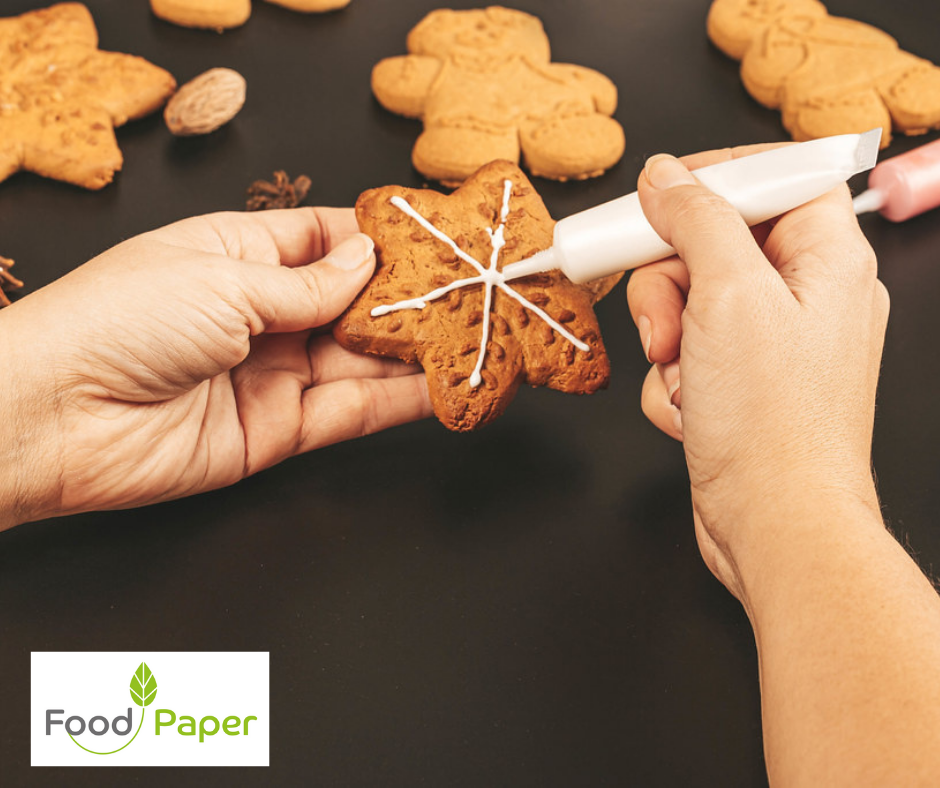
The history of British baking is closely tied to family life, with baking remaining a favourite activity in homes across the country. Parents enjoy watching young children experiment with messy batter, while grandparents pass traditional skills and recipes on to the next generation. Baking has also become a familiar part of British television, with popular programmes featuring participants making biscuits, bread, cakes and more.
But the truth is, baking in Britain has a relatively short history. Domestic baking has only really been around for the last 150 years or so.
The rich had long had access to cakes, breads and pies, but working classes rarely saw such luxuries. Throughout the 16th and 17th centuries, cakes were generally stodgy yeast-or-ale-based creations containing expensive spices like saffron, brought to the UK through increasing globalisation and trade as the British Empire began to grow. For most ordinary Brits, however, baking generally referred to the mass production of bread in commercial bakeries. The production and consumption of bread were integral to daily life, but the conditions in a bakery were dismal. Baking was hot, heavy work, and in Victorian London, few bakers lived past the age of 42.
By the mid-19th Century, innovations like baking powder, cheaper sugar, and the range oven spurred home baking’s first boom. This era brought Mrs. Beeton, the Victoria sponge’s birth, and Britain’s enduring baking obsession. Whisks, eggbeaters, and rolling pins spread widely, inspiring new recipes. Cakes featured alcohol, fruit, or spices, extending longevity and enhancing flavour. Pasties and pies gained popularity, with Cornish miners favouring portable, convenient pasties for lunch.
By the Second World War, baking had become central to British life, with families treasuring their traditional and regional recipes. The 1939 outbreak of war dramatically affected available ingredients due to rationing, and reduced housewives’ time as women entered work. Despite rationing, baking stayed popular. Adapting recipes with less butter and eggs became defiant, morale-boosting, and shaped Britain’s enduring cultural baking myth.
If you like what you hear, why not give our paper a try? Contact us Contact Us to request a FREE sample ream for your baking business.
Discover more about Linwood Raker