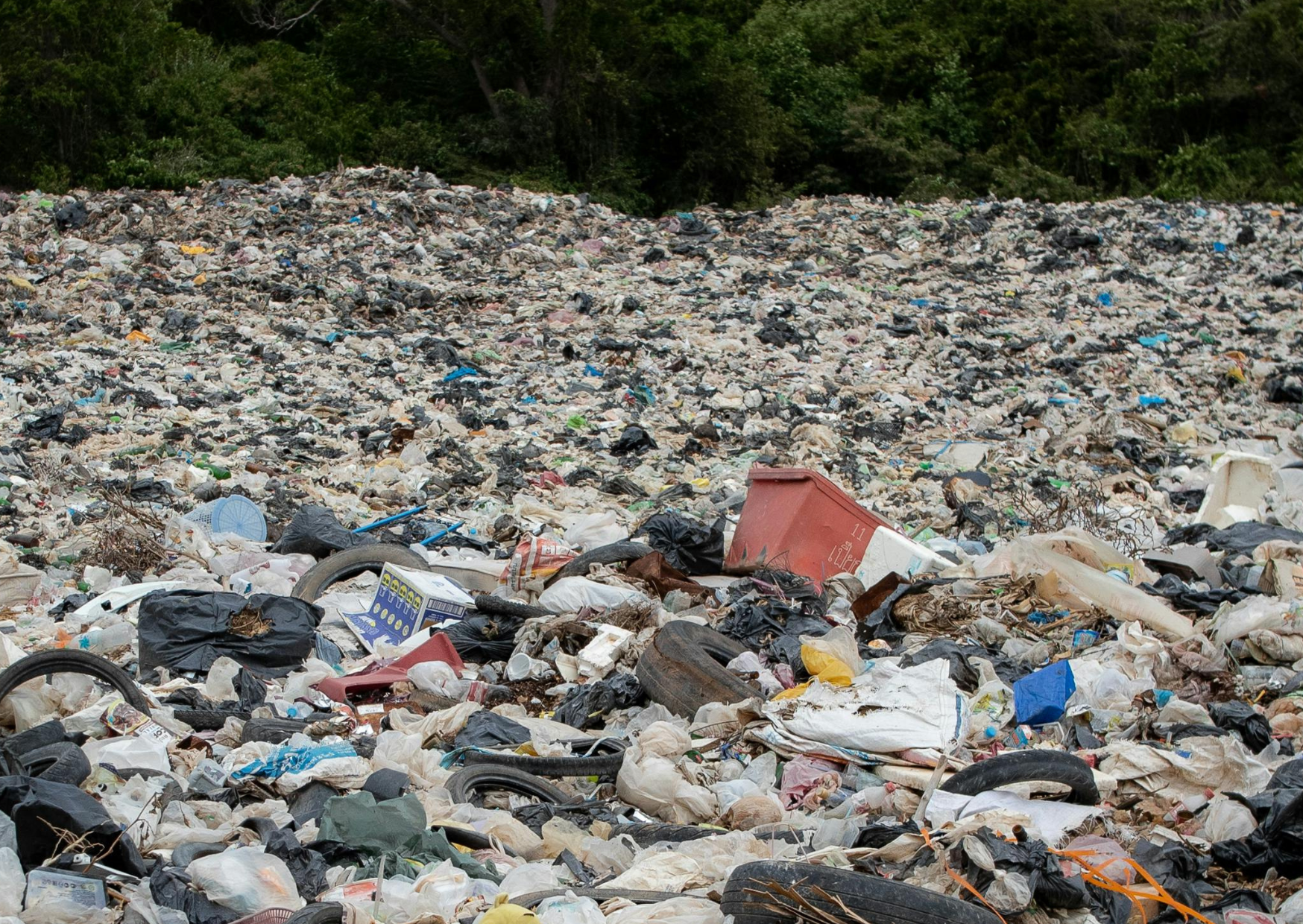
As awareness of plastic’s environmental impact continues to grow, bakery plastic reduction has become an important priority for many business owners. This can be challenging because packaging and food storage are essential parts of daily bakery operations. However, several practical areas can be reviewed to reduce plastic waste while maintaining product quality and freshness.
Choose sustainable packaging and paper products
Packaging is an important consideration when looking to reduce plastic waste in a bakery. Choosing suitable alternatives can help minimise unnecessary plastic use while maintaining food safety, freshness and product quality.
Several options are worth considering:
- Paper bags: Uncoated paper bags may be a practical alternative for suitable bakery products. Check whether the material can be recycled through the available waste collection arrangements.
- Compostable containers: Some packaging materials are designed to break down under specific composting conditions. Check their certification and whether suitable collection and processing facilities are available.
- Reusable packaging: Where practical and hygienically appropriate, encourage customers to use reusable containers. Incentives such as small discounts may help encourage participation.
The best packaging choice will depend on the product, its intended use and how the packaging will be disposed of after use.
Source ingredients wisely
The way ingredients are purchased and delivered can make a difference to the amount of packaging waste generated by a bakery. Consider working with suppliers who minimise unnecessary packaging or offer reusable containers and returnable delivery packaging.
Buying regularly used ingredients in larger quantities may also reduce packaging waste and lower costs. However, purchases should be matched to actual requirements, available storage space and product shelf life to avoid unnecessary food waste.
When choosing suppliers, look for clear information about their packaging and environmental practices rather than relying solely on general sustainability claims.
Offer refills and bulk options
Bakeries that sell ingredients such as flour, sugar or other dry goods could consider introducing a refill service. Allowing customers to purchase the quantities they need using suitable reusable containers may help reduce demand for single-use packaging.
Any refill system should be designed with food safety in mind. Containers and dispensing equipment must be suitable for food use, with appropriate hygiene procedures and measures to prevent allergen cross-contamination. Clear product information, including allergen details, should also be provided.
When properly managed, refill schemes can offer customers a convenient alternative to prepacked ingredients while supporting efforts to reduce unnecessary packaging waste.
Educate your staff and customers
Reducing plastic waste is easier when everyone understands the changes being introduced. Provide staff with clear guidance on avoiding unnecessary packaging, using reusable alternatives where appropriate and separating waste correctly for recycling.
Customers can also be kept informed through notices in the bakery, website updates, social media or newsletters. Explain the specific measures being taken and provide practical information about how customers can participate, such as bringing suitable reusable containers or following the correct disposal instructions for packaging.
Any environmental claims should be accurate, supported by evidence and clearly explained. Honest communication helps customers understand the bakery’s efforts without overstating their environmental benefits.
Get creative with decorations and POS
Reducing plastic waste can extend beyond packaging to the decorations and display materials used throughout a bakery. Instead of disposable plastic cake decorations, consider suitable edible alternatives such as fresh fruit, nuts or flowers specifically grown and supplied for culinary use.
Always ensure decorations are safe for consumption and that relevant allergen information is provided, particularly when using nuts. Edible flowers should be correctly identified and sourced from suppliers who can confirm their suitability for food use.
Point-of-sale materials are another area worth reviewing. Reusable display boards, handwritten signs and durable price labels can help reduce the need for disposable plastic signage. Where single-use materials are necessary, consider options that can be recycled through the available waste collection facilities.
Small, practical changes can help reduce unnecessary plastic use without compromising food safety or presentation.
Lead by example
Consider becoming an advocate for sustainability within your community by collaborating with local businesses or attending workshops on reducing plastic use in food services. Your leadership can inspire others and create a more significant impact.

Final thoughts
Reducing plastic waste in a bakery is an ongoing process that benefits from careful planning and regular reviews. From choosing appropriate packaging to working with suppliers and encouraging reusable alternatives, there are several practical ways to reduce unnecessary plastic use.
Not every alternative will be suitable for every bakery, so changes should be considered alongside food safety, product quality, cost and available waste collection facilities.
By taking a measured approach and communicating clearly about the steps being taken, bakeries can make meaningful improvements to their waste management practices without compromising their products or customer service.
If you like what you hear, why not give our paper a try? Contact us to request a FREE sample ream for your baking business.
For more information about our company, visit the Linwood Raker website