Making sourdough can be an incredibly rewarding experience, but it is easy to be caught out by a few common sourdough mistakes.
To help you enjoy your artisan baking journey and avoid a few disasters along the way, here is a light-hearted guide to the problems to watch for when making sourdough:
Neglect your starter
Your sourdough starter is like having a pet; it needs attention and nurturing and forgetting to feed it regularly can turn it into a sad, unresponsive blob. Make sure you remember to nurture it, or you might end up with a flat loaf that tastes like disappointment.
Misunderstand the autolyse step
Autolyse is a technique where flour and water are mixed and allowed to rest before the remaining ingredients are added. This resting period helps the flour absorb water and allows gluten development to begin, making the dough easier to handle and potentially reducing the amount of kneading required.
Although an autolyse can be beneficial, it is not essential for every sourdough recipe. Successful bread can still be made without it, depending on the flour, ingredients and method used.
Use water at the wrong temperature
Water temperature plays an important role in sourdough fermentation. Cold water slows fermentation, while warmer water generally encourages faster activity. However, neither is necessarily wrong. The ideal water temperature depends on the recipe, room temperature and temperature of the other ingredients.
In a cool kitchen, slightly warmer water can help maintain fermentation, while cooler water may be beneficial in warmer conditions. The aim is to achieve a suitable dough temperature for consistent fermentation and reliable results.
Rush the fermentation
Sourdough fermentation takes time, and rushing the process can affect the finished loaf. Warmer conditions encourage faster fermentation, but excessive warmth can cause the dough to ferment too quickly, potentially weakening its structure and affecting its flavour.
Rather than relying solely on the clock, observe how the dough develops. Look for signs such as increased volume, a smoother surface and visible bubbles. The ideal fermentation time will depend on the recipe, starter activity and dough temperature. Finding the right balance helps produce bread with good structure, flavour and texture.
Mix the dough too little or too much
Mixing sourdough ingredients helps develop the gluten structure needed to support fermentation and give the finished loaf its shape. Insufficient mixing can leave dough weak and difficult to handle, although stickiness alone is not necessarily a sign of underdeveloped gluten.
Overmixing is uncommon when working dough by hand, but prolonged mechanical mixing at high speeds can affect its structure and temperature. Follow the method recommended in your recipe, allowing the dough to become more cohesive, smooth and elastic through mixing, resting or folding.
Neglect bench rest
After pre-shaping sourdough, allowing the dough to rest before final shaping helps the gluten relax, making it easier to stretch and shape without tearing.
The resting time will vary depending on the dough’s strength and how tightly it has been pre-shaped. Firmer dough may need longer to relax, while softer dough may require less time. Once sufficiently relaxed, the dough can be given its final shape and left to prove according to the recipe before baking.
Choose unsuitable flour
The type of flour used can make a significant difference to the structure and texture of sourdough bread. Strong bread flour generally contains more protein, helping the dough develop the gluten strength needed to hold its shape and rise effectively.
However, successful sourdough can also be made using plain flour, wholemeal flour or a combination of different flours. Each behaves differently and may require adjustments to the amount of water used or the way the dough is handled. Following a reliable recipe suited to your chosen flour is the best starting point for consistent results.
Ignore the oven temperature
The temperature of your oven plays an important role in how sourdough bread rises, develops its crust and bakes through. For most traditional sourdough recipes, the oven should be fully preheated to the recommended temperature before baking begins.
As oven temperatures can vary, an independent oven thermometer can help confirm that the correct temperature has been reached. Some recipes use alternative methods, including starting with a cold oven, so always follow the instructions for your chosen baking technique.
Cutting the bread too soon
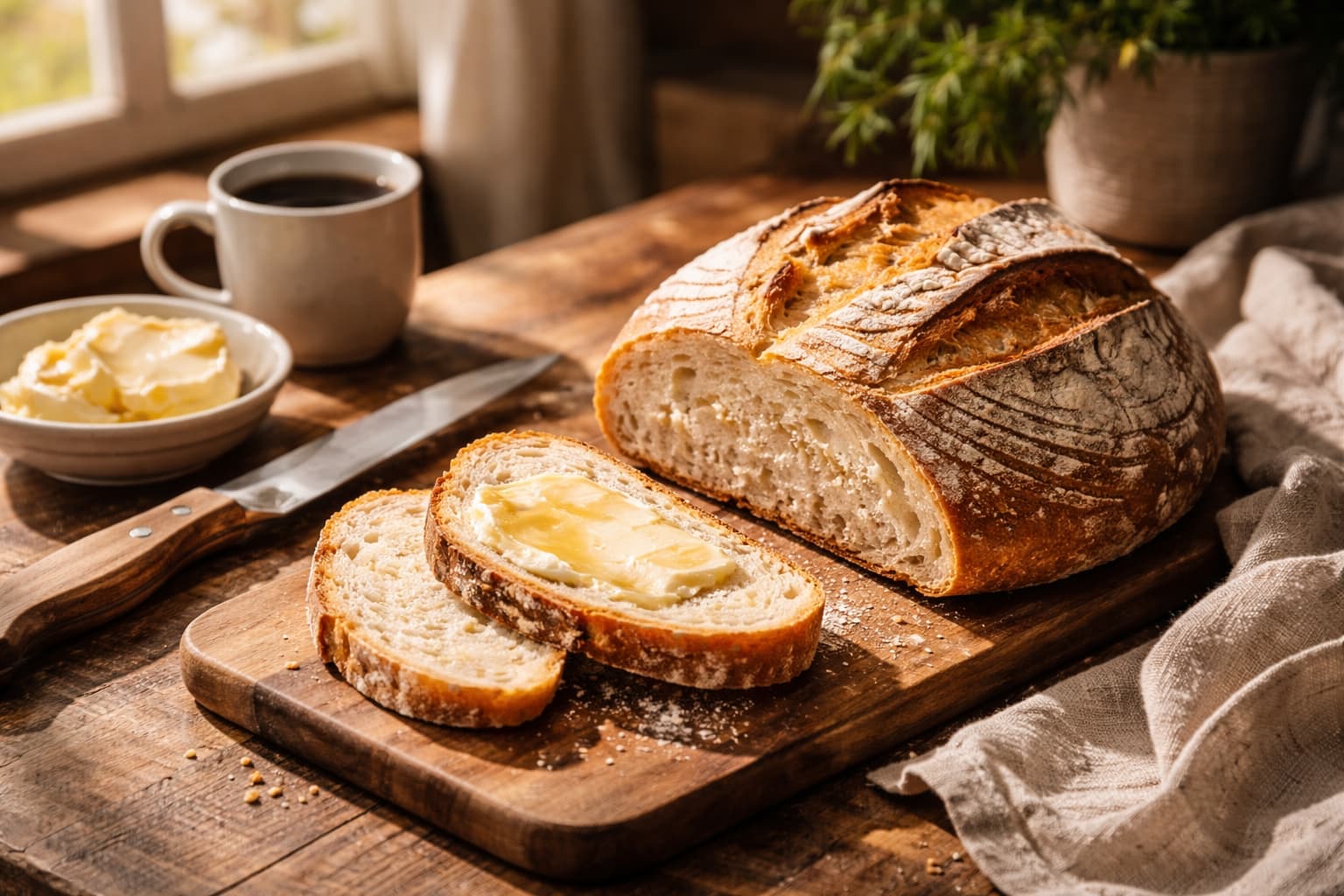
Freshly baked sourdough is tempting to slice straight away, but allowing it to cool properly is an important final step. As the loaf cools, moisture redistributes and the internal crumb structure firms up, helping to produce a better texture.
Place the bread on a wire rack and allow it to cool completely before slicing. This may take an hour or more, depending on the size and type of loaf. Cutting too early can leave the inside sticky or gummy, so a little patience will help you enjoy the best results.
Bake your sourdough
Food Paper supplies siliconised baking paper designed to provide a non-stick surface for sourdough and other baked goods. Recycling options depend on the paper grade, its condition after use and the facilities available. Always check with your local authority or commercial waste contractor before disposing of used baking paper for recycling.
Forget to bake your sourdough with Food Paper
If you are going for a truly sustainable baking approach, Food Paper is the way forward. Not only can you be assured that it’s sourced sustainably from high-quality, fast-growing wood from forests managed to strict standards, but it’s also fully recyclable siliconised baking paper. However, local recycling arrangements should be checked before disposing of used sheets.
Remember, while mistakes are part of the journey, avoiding these common pitfalls can help you create a glorious sourdough that is as delightful as the experience itself.
If you like what you hear, why not give our paper a try? Contact us to request a FREE sample ream for your baking business.
For more information about our company, visit the Linwood Raker website