We are as passionate about the world of baking as we are about our paper. Whether you are a seasoned baker, an artisan or just beginning to explore bread-making, this bread guide is packed with useful information to inspire and inform. It provides a quick and simple way to expand your knowledge of breads from A to Z.
Let’s knead our way through the alphabet!
A – Artisan Bread
Artisan bread is traditionally hand-crafted, made using only the best high-quality ingredients, and requires a skilful touch. Think boules, baguettes, and ciabatta!
B – Baguette
A classic French bread, recognised by its long, slender shape, crisp golden crust and soft, airy interior. Traditionally made with just flour, water, yeast and salt, the baguette is a firm favourite in bakeries around the world.
C – Crust
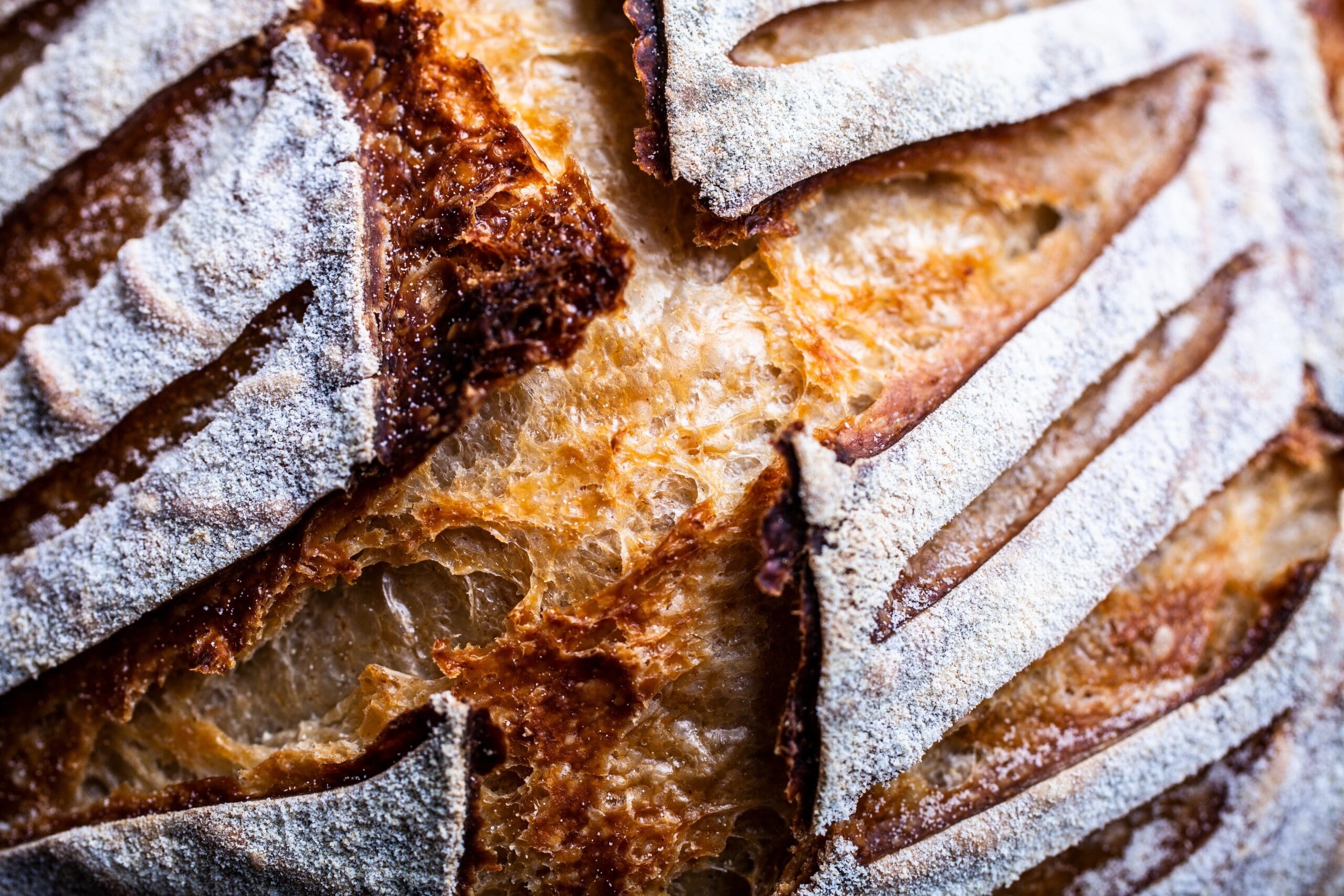
The flavourful outer layer of bread that adds a delightful crunch to your bite. A good crust can make or break your bread tasting experience!
D – Dough
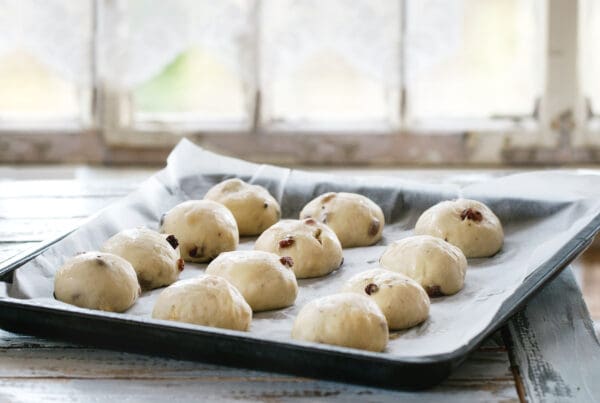
The magic mixture of flour, water, yeast, and salt that transforms into the tantalising bread we love. Experimenting with different dough recipes can lead to exciting results to delight the senses.
E – Enrichment
This refers to the addition of fats, sugars, or eggs to the dough, which can enhance flavour and texture. Think challah or brioche!
F – Food Paper
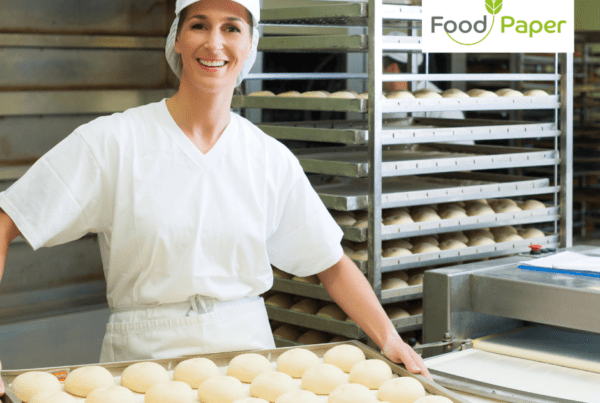
Food Paper is the UK’s first recyclable and sustainable siliconised paper, popular with professional bakers and food manufacturers and perfect for your bread making needs. Ask to try it for FREE at your bakery at [email protected]
G – Gluten
The protein that gives bread its structure and chewiness. Mastering gluten development is essential when perfecting your loaves.
H – Hydration
Refers to the amount of water within your dough. Higher hydration results in a softer, airier bread, while lower hydration might lead to denser loaves.
I – Indoor Proofing
Allowing your dough to rise in a warm area in your kitchen. A successful proofing session is vital for achieving a well-risen loaf.
J – Jim Lahey
A legendary baker known for his no-knead bread technique which democratised bread-making! His simple approach inspires bakers everywhere.
K – Kneading
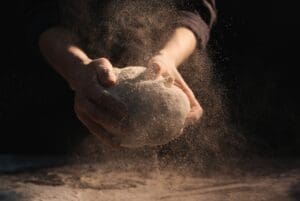
Kneading involves working bread dough to develop gluten, giving it strength and elasticity. Although kneading is important in many traditional bread recipes, no-knead methods allow gluten to develop through hydration, resting and longer fermentation.
L – Levain
A naturally fermented mixture of flour, water and sourdough starter, prepared before being added to bread dough. Levain contains naturally occurring yeasts and bacteria that help the dough rise and develop flavour. It is commonly used in sourdough baking, although the term is sometimes used interchangeably with sourdough starter.
M – Malt
An ingredient commonly made from sprouted barley that can enhance the flavour, sweetness and crust colour of bread. Diastatic malt contains active enzymes that help convert starch into sugars, supporting yeast fermentation and dough development. Non-diastatic malt is used primarily for flavour, sweetness and colour.
N – No Knead Breads
A bread-making method that develops gluten without traditional kneading. Instead, the dough is mixed and left to rest and ferment, often for an extended period, allowing its structure and flavour to develop naturally. Some recipes include gentle folding to strengthen the dough. With relatively little hands-on preparation, it is an accessible method for beginners and experienced bakers alike.
O – Oven Spring
The rapid rise of dough in the oven caused by the heat, leading to those beautiful, airy loaves we love.
P – Proofing
The final rise of shaped dough before baking. This step is vital to achieving that airy texture and helps develop complex flavours.
Q – Quick Bread
Breads made using baking powder or baking soda instead of yeast. Think banana bread or cornbread – quick, easy, delicious and satisfying!
R – Rolling Technique
A skilful way to shape dough to ensure even texture and rise. Practice makes perfect as you roll your way to bread bliss!
S – Sourdough
A trendy favourite, sourdough is made with a natural starter and has a delightful tang. It’s a labour of love that rewards you with impressive loaves!
T – Tangzhong
A cooking technique that involves cooking a portion of the flour and liquid, creating a soft, fluffy bread texture. Give it a try!
U –Unleavened Bread
Bread made without yeast, baking powder or other raising agents. Unleavened breads are often flat and include traditional varieties such as chapati and matzo. They are enjoyed in many cultures and can be prepared using relatively simple ingredients and methods.
V – Vienna Bread
A soft, sweetened bread that’s perfect for sandwiches. Its lovely flavour makes it a favourite in many households.
W – Whole Wheat
A healthier option made with whole grain flour. It adds fibre and nutrients, making every bite deliciously wholesome.
X – Xanthan Gum
A binding ingredient used in many gluten-free bread recipes. It helps give dough structure and elasticity, allowing it to retain gas during fermentation and rise more effectively. Some gluten-free flour blends already contain xanthan gum, so additional quantities should only be used when required by the recipe.
Y – Yeast
A living microorganism belonging to the fungi kingdom, yeast plays an important role in traditional bread making. During fermentation, it converts sugars into carbon dioxide and alcohol. The carbon dioxide helps the dough rise, while fermentation contributes to the bread’s characteristic flavour and aroma. Baker’s yeast is available in several forms, including fresh, active dried and instant yeast.
Z – Zest
Think outside the bread box! Adding citrus zest can brighten up flavours and give your bread a unique twist.
And there you have it- the Food Paper A-Z of bread!
With this guide, you’re all set to bake, experiment, and enjoy the wonderful world of bread. Happy baking!
If you like what you hear, why not give our paper a try? Contact us to request a FREE sample ream for your baking business.
For more information about our company, visit the Linwood Raker website