
Baking paper uses vary depending on the type of paper selected. Baking and food professionals can choose from waxed, parchment and siliconised papers, each offering different properties and applications. Despite these differences, baking paper remains essential in bakeries, professional kitchens and food production environments.
Different food-contact papers are designed for different applications, so choosing the correct type is important. For example, siliconised baking paper may be suitable for oven use within its specified temperature limits, while waxed paper is generally intended for wrapping and other applications that do not involve direct oven heat.
Before selecting a product, consider the intended application, operating temperatures and required performance. Discussing these requirements with an experienced supplier can help ensure that the most suitable paper grade is chosen.
While most of us immediately associate baking paper just for use in the oven for baking, reheating and cooking foods, the varying types of baking paper can be utilised in many other ways which can make your time in the bakery easier, creative and enjoyable.
Below are just a few popular uses which should help to give you a general idea of some of the ways baking papers might be incorporated into your baking and food production tasks.
Using Baking Paper to Line Trays and Cake Tins
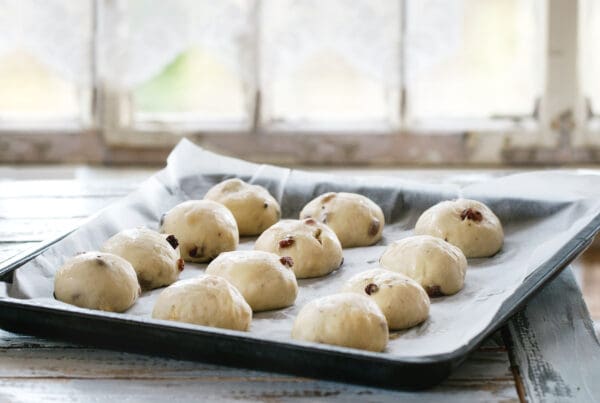
One of the most frequent and popular uses for some baking papers is lining your baking sheets, baking tins and cake pans.
Food Paper’s specialist non-stick baking papers provide an effective release surface for a wide range of baked goods, including bread rolls, pastries, sausage rolls, biscuits and cakes. Using a suitable paper liner can help prevent sticking, make baked products easier to remove and reduce the amount of cleaning required afterwards.
The level of release performance depends on the paper grade and the product being baked, so the correct liner should always be selected for the intended application. The paper sheets and liners are often used for display and storage of bakery and food items too.
Protection during transportation and storage
Some baking papers are useful for protecting or separating food items. You might use it to wrap food items, pastries, or any other snacks for an easy on-the-go meal.
Using Baking Paper for Piping and Funnels
Baking paper can be folded into a simple funnel for transferring dry ingredients, such as flour or sugar, into jars and other containers. This can help minimise spills and make handling ingredients easier.
Suitable baking parchment can also be shaped into a small piping cone, known as a cornet, for decorating cakes, biscuits and pastries with icing or melted chocolate. These homemade piping cones are particularly useful for creating fine lines and delicate decorations.
Cooking food en papillote
Cooking en papillote is a traditional French technique in which food is enclosed in a folded paper parcel and cooked in the oven. The enclosed parcel helps retain moisture and allows ingredients such as fish, chicken and vegetables to cook gently in their own juices, often with added herbs, spices or other flavourings.
Always use food-safe baking parchment suitable for the intended oven temperature, following the manufacturer’s instructions. Ensure that ingredients, particularly poultry, are cooked thoroughly before serving, and take care when opening the parcel as hot steam will be released.
Acting as a non-stick surface for rolling dough
When it comes to rolling out dough, using flour can often lead to unnecessary mess. Instead, place your dough between two sheets of baking paper for a non-stick surface that makes rolling much easier. Plus, clean-up is as simple as tossing the paper!
For biscuits and other delicate doughs, rolling and cutting directly on suitable non-stick baking paper can also make it easier to transfer shaped pieces to a baking tray without distorting them. The results will depend on the type of dough and the handling techniques used.
Easy clean-up (especially with sticky foods)
When preparing sticky foods, such as dishes containing melted cheese, lining a suitable baking tray or dish with non-stick baking paper can make cleaning easier. The paper helps prevent food from adhering directly to the surface, reducing the need for scraping or scrubbing afterwards.
For best results, use baking paper suitable for the intended cooking temperature and follow the manufacturer’s instructions.
Using Baking Paper in Takeaway and Fast Food Packaging
Suitable grease-resistant papers can be used to line pizza boxes, takeaway containers and other food packaging. These liners can help reduce the transfer of oils and fats into cardboard packaging, improving presentation and making food easier to handle.
The level of grease resistance depends on the paper grade and its intended application. When selecting a liner, businesses should ensure that it is suitable for direct food contact, the type of food being packaged and the expected temperature and handling conditions.
Summary
Baking papers can be used to streamline many tasks in the kitchen, making cooking and clean-up easier. The key thing to remember though is that they are all designed for purpose and therefore you should always consider the detail. Ask your supplier for guidance.
Whether you are a seasoned baker, patisserie chef, confectioner, or an eager beginner, these ideas can help maximise this versatile tool. When you next reach for a roll of baking paper, recall these creative tips and enjoy a smoother, more efficient baking experience.
To evaluate Food Paper for your baking or packaging application, sample reams are available on request.
Please Contact Us for guidance on selecting the most appropriate paper for a specific application, or you can contact the Linwood Raker team.